
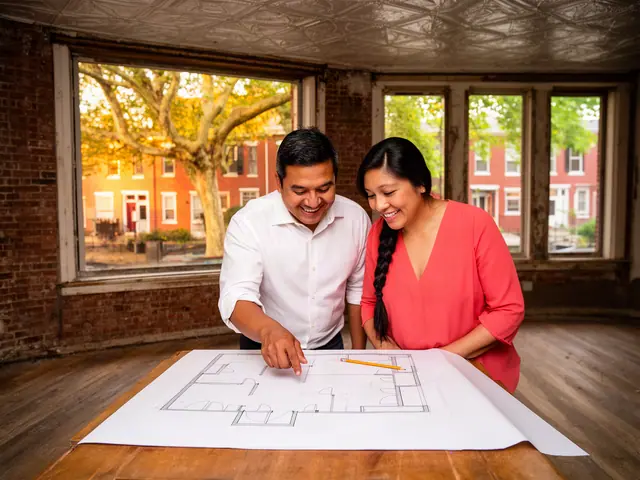
Limevale Lending, a small-business funding broker in Trenton, New Jersey, explains the order of a commercial build-out: zoning, lease terms, plans, permits, financing, construction and inspection. It covers tenant improvement allowances, splitting fit-out from equipment funding, and what partners require. Mercer County permit data gives construction context.
Who is fitting out space around Trenton, NJ
Restaurants and practices are the most fit-out-intensive businesses we see. Mercer County had 844 food services and drinking places and 836 ambulatory health care establishments with employees in 2023 (County Business Patterns 2023). In the office ZIP, 08608, health care accounted for 33 employer establishments and food service for 22 (ZIP Code Business Patterns 2023).
The order that avoids expensive surprises
- Confirm the use is allowed. Check zoning before you negotiate seriously; see the Trenton, NJ zoning and permit checklist.
- Negotiate the lease with contingencies. An exit if approvals fail, rent that starts after the build period, and any landlord contribution in writing.
- Get plans and priced quotes. Separate the building work from the equipment.
- Request financing. Partners want the lease, the plans and the quotes.
- Pull permits and build.
- Pass inspections and open.
Tenant improvement allowances
A tenant improvement allowance is money the landlord contributes toward fitting out the space, often in return for a longer lease or higher rent. Find out when it is paid: some landlords pay as work progresses, others only after completion and proof of payment, which means you fund the work first and are reimbursed later. That timing can shape how much outside funding you need and for how long.
Splitting the funding
Walls, plumbing, electrical, ventilation and finishes have a long life and no resale value of their own; they usually suit a term loan. Ovens, chairs, imaging units and machines can be valued and resold; they usually suit equipment financing secured by the asset. Keeping the two apart puts each cost on a schedule that matches its life.
Kitchen projects have their own equipment list; our restaurant financing page covers coolers, hoods and POS systems.
Business construction loan requirements, in practice
- A signed lease, or an agreed lease subject to approvals
- Plans and a contractor's priced scope of work
- Equipment quotes, including installation
- Bank statements plus the last filed tax returns
- Details of the landlord contribution and when it is paid
- Your own cash going into the project
Partners decide what they need; this is the typical shape of a file.
Mistakes that stall build-out funding
- Signing a lease without a zoning or permit contingency
- Ordering equipment before the space is approved for the use
- Financing the whole project, equipment included, on one short schedule
- Assuming the landlord allowance arrives before the contractor's first invoice
- Leaving no contingency for inspection fixes
Each of these turns a funding question into a timing crisis. Settling them in order is cheaper than any product.
A worked timeline
Hypothetical, for illustration: a café signs a lease with a three-month build period and a landlord allowance paid on completion. The owner funds the plumbing, electrical and counters through a term loan, finances the espresso machine and refrigeration separately, and keeps the allowance to pay down the term loan once it arrives. The equipment payment starts when the café opens, not months earlier.
The construction backdrop
Residential permits give a sense of how busy local builders are. New housing units authorized in Mercer County went from 969 in 2023 to 2,026 in 2024, then 1,164 in 2025 (Census Building Permits Survey). The county had 700 construction employers in 2023, 395 of them specialty trade contractors (CBP 2023). When builders are busy, schedules slip, so build some slack into the timeline and the rent-free period.
Where to go next
Checklists are on the zoning guide above; more articles are on the blog.
By Limevale Lending · Updated